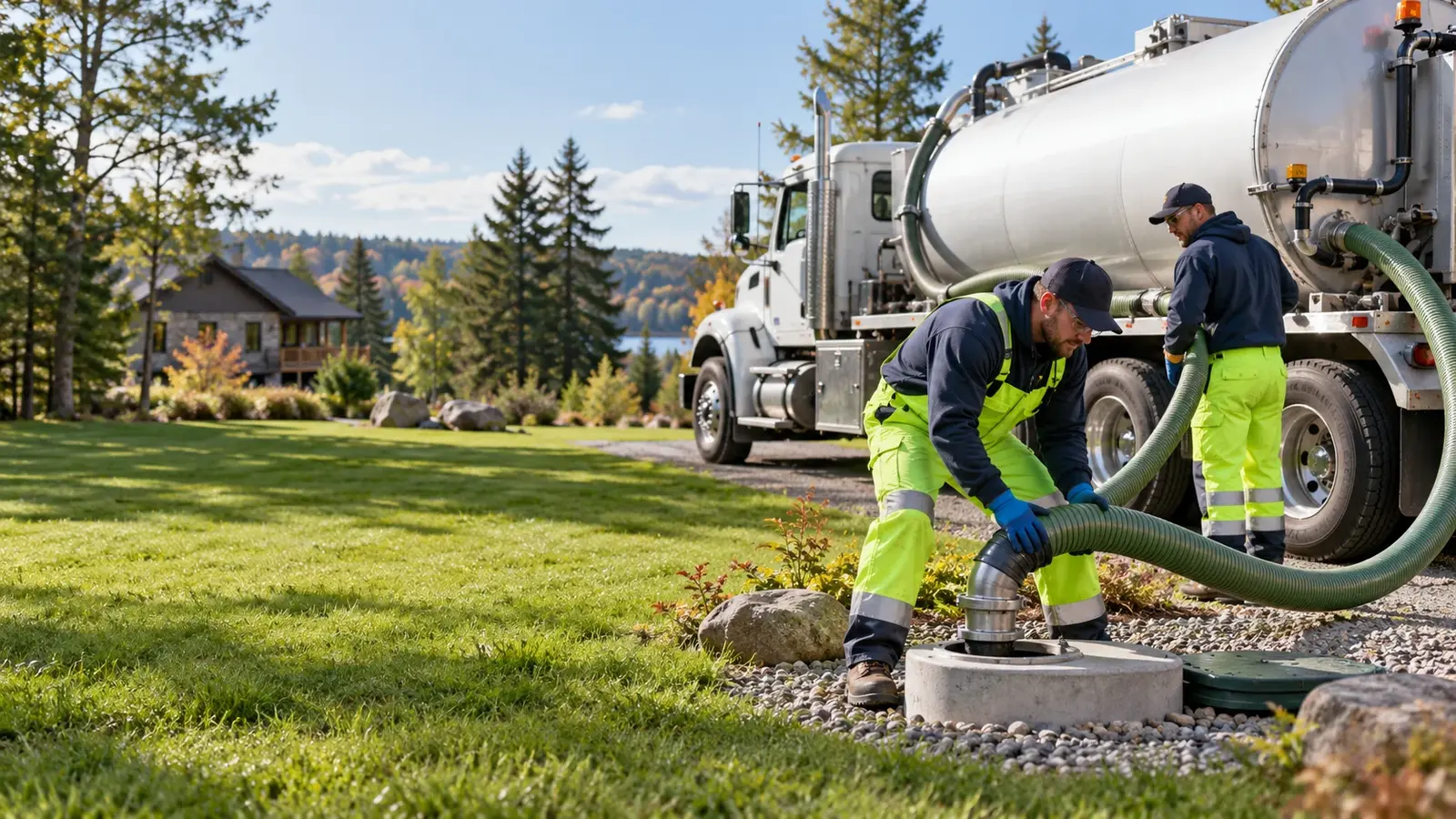
Start with an exact location
Use the rural address, access route and a reliable site contact so the response can be planned for the property’s actual entry conditions.
General preparedness guidance — not a live weather alert.
PROPERTY GUIDANCE // Keep valuables and business stock away from areas vulnerable to water. · Canada.ca
Scrolling automatically.
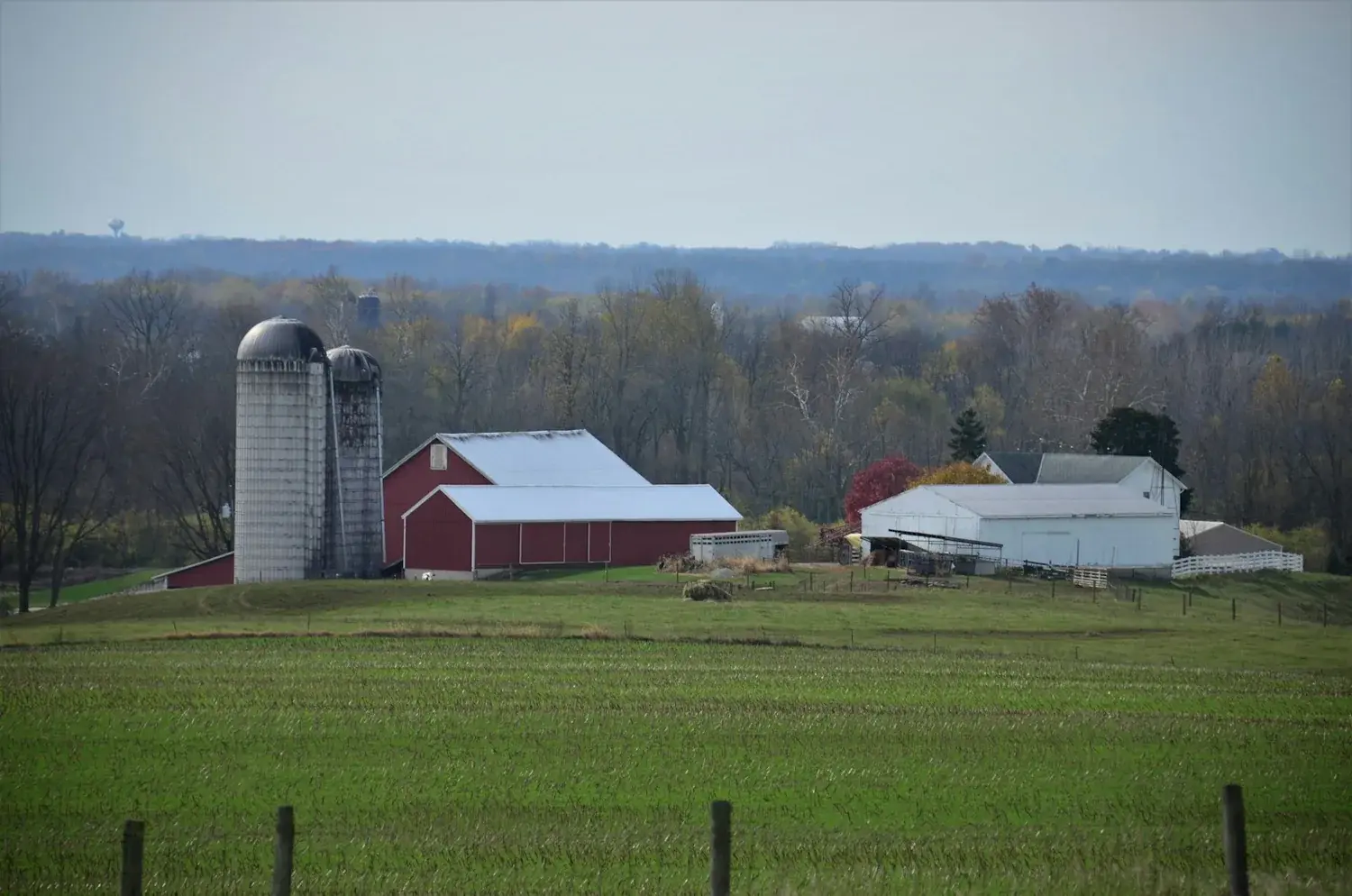
Roof exposure, plumbing leaks and persistent damp can affect rural homes and farm support buildings. Provide the actual site, road and gate conditions, building use and local contact so suitable attendance, materials and scope can be assessed.
A real person can discuss the property, the service and your next step, 24/7/365.
Includes work at individual properties and through contractors and property managers.
Use the rural address, access route and a reliable site contact so the response can be planned for the property’s actual entry conditions.
Identify occupied rooms, storage, workshops and nearby farm activity so the property work can be scoped around the uses that matter on site.
No need to have every answer. Start with what you know.
Discuss multiple locationsFarm operators, rural estates and agricultural businesses responsible for occupied and support buildings.
Use the rural address, access route and a reliable site contact so the response can be planned for the property’s actual entry conditions.
Identify occupied rooms, storage, workshops and nearby farm activity so the property work can be scoped around the uses that matter on site.
Share gate access, road conditions and available service windows early, then agree the property scope and mobilization details with the team.
Address the damaged roof or active water-entry area with building use, access and temporary protection requirements in view.
Start with this situationGet the affected rooms and materials assessed for extraction and drying while the source and necessary plumbing work are identified.
Start with this situationDiscuss the affected materials, history of the problem and relevant assessment or remediation needs for the property.
Start with this situationRoof damage and weather-entry concerns affecting occupied or agricultural support buildings.
ExploreWater extraction, moisture assessment and structural drying for affected rooms and materials.
ExploreBuilding plumbing and drain problems, with the exact system and rural location identified.
ExploreHeating and ventilation needs in occupied buildings, offices and suitable support spaces.
ExploreMould and persistent moisture concerns in the property’s building materials.
ExploreAgreed cleaning of offices, staff spaces and other suitable commercial interiors.
ExploreYes. Provide the exact location, directions and current access conditions. Those details help establish the service scope and practical attendance arrangements for your property.
Yes. Explain how the affected building and adjacent areas are used. Your team’s operating requirements help shape access, sequencing and the agreed property scope.
Yes. Cleaning, heating, ventilation and other building-service requests can be planned around access and the property’s operating schedule. Include the preferred dates and building details.
Provide practical directions, access restrictions and a contact who knows the site. Mention current road conditions and relevant livestock or equipment areas so attendance can be assessed before a journey is arranged.
Water in camp accommodation, heating failures and storm-damaged openings need more than a city name. Describe the actual resource-site building, transport, site induction, access permissions and authorized work scope; industrial process systems stay under the operator’s control.
See how we helpRefrigeration faults, drain backups and water entry can affect production zones and temperature-sensitive stock. Arrange the building or equipment service with facilities while the operator’s quality team controls product handling and return-to-use decisions.
See how we helpRoof leaks, damaged loading openings and water in work areas need a property-repair scope that respects plant operations. Identify isolation responsibilities, permit-to-work requirements, access routes and the production areas the service team must avoid.
See how we helpFarm operators, rural estates and agricultural businesses responsible for occupied and support buildings.