Leaks across units, damaged entrances and sensitive cleanup need a clear owner, site contact and approval path. We help arrange the property work and records your team needs for residents, boards and building owners.
Bring us your customer’s work order, site requirements and deadline. We help arrange the required property services, local access and close-out records within your customer communication and approval process.
Water losses, exposed openings and sensitive cleanup need an authorized property contact and a factual work record. Help the policyholder request the relevant service while keeping the cause assessment, repair approval and insurer’s coverage decision distinct.
Water can move between apartments while residents, owners and the building team each need updates. Arrange water response, shared-access repairs and discreet unit cleanup with suite access, responsibility and approval clear from the first request.
Washroom leaks, cooling failures and worn shared floors affect more than one tenant. Connect facilities and building management with the affected floors, permitted work window and authorized scope for urgent repair or scheduled office cleaning.
Rain in an unfinished area, a damaged opening or an unsecured boundary can change the site plan. Arrange water removal, board-up, temporary fencing and handover cleaning with the superintendent, access rules and construction sequence identified.
Broken entrance glass, water in customer areas and heating or cooling failures disrupt a branch’s day. Arrange the building work through the authorized facilities contact, with secure-area boundaries, permitted attendance and customer routes identified.
Room leaks, damaged entrances and sensitive cleanup affect housekeeping, reservations and arriving guests. We help arrange property response with the affected room numbers, discreet access, work windows and release-to-use decision clearly assigned.
A drain backup, failed refrigeration unit or broken storefront can interrupt service immediately. Arrange urgent repair, grease-trap cleaning and property recovery around kitchen access, food-service hours and the manager who can authorize work.
A broken storefront, flooded washroom or leaking roof can disrupt a fuel station and convenience store. Route building repairs through the site operator and facilities contact; identify fuel-system or forecourt restrictions before attendance.
Broken glass, leaks and drainage failures need a local response and a clear update for central facilities. Connect the store manager, landlord and authorized work order so temporary protection, repairs and close-out records follow the same plan.
Showroom leaks, damaged customer entrances and drain backups need a building-repair scope that fits the dealership. Identify the affected area, vehicle and pedestrian routes, workshop restrictions and the manager who can authorize attendance.
Water in an event space, changing-room drain failures and sensitive cleanup can affect the next booking. Arrange the property response with the venue team, occupied areas, access restrictions and the person responsible for the reopening decision.
Arrange water-damage response, building repairs and planned services for municipal, provincial or state, and federal properties. Include the department contact, procurement reference, access clearance and reporting requirements for the actual building.
Flooded offices, blocked drains and damaged staff areas affect police, fire and emergency-service facilities. Arrange the building work through the authorized facilities contact, with operational rooms, escorted access and service continuity identified.
A leaking room, blocked shared kitchen or sensitive incident can interrupt the services people depend on. Bring the building location, programme schedule and authorized contact so urgent work or recurring cleaning can be scoped around the people using the space.
Water leaks, blocked drains and damaged entrances require a defined property scope in a clinical setting. Work through facilities and the designated site team for room access, infection-control requirements, permitted methods and the decision to reopen an area.
Room leaks, heating failures and discreet cleanup need a clear connection between facilities and the responsible care-site team. Identify the affected wing, access and escort needs, approved work methods and the decision-maker for any return to use.
Water in corridors, unusable washrooms and damaged floors need a defined building response. Work with the authorized school or childcare contact on occupied areas, access permissions and service windows during closure or school breaks.
A leak between residence rooms, a drain failure in an academic building or a discreet cleanup needs the right building-level contact. Arrange the service through campus approvals, resident communication and the work window for the affected space.
Roof leaks, water in a lower hall and floors needing care can affect services and community events. Identify the affected space, scheduled gatherings, access contact and any features that need protection during the agreed property work.
Roof leaks, water in public rooms and building-system faults require coordination with facilities and the designated collections contact. Define the property-repair area, protected spaces and access rules; collections handling remains with the authorized specialists.
Roof leaks, damaged loading openings and water in work areas need a property-repair scope that respects plant operations. Identify isolation responsibilities, permit-to-work requirements, access routes and the production areas the service team must avoid.
A roof leak over stock, water in receiving or a damaged loading opening can interrupt a warehouse shift. Identify the affected bay, traffic routes, stock-protection responsibility and the operating window for temporary protection or repair.
Arrange building-water response, access repairs and specialist cleaning at utility offices, depots and support facilities. The operator defines controlled-system boundaries, permits, site induction and any isolation required before property work starts.
Broken waiting-area glass, water in dispatch rooms and sensitive cleanup affect depots, terminals and fleet buildings. Coordinate the property work with vehicle movements, public routes, controlled areas and the team running the site.
Roof exposure, plumbing leaks and persistent damp can affect rural homes and farm support buildings. Provide the actual site, road and gate conditions, building use and local contact so suitable attendance, materials and scope can be assessed.
Refrigeration faults, drain backups and water entry can affect production zones and temperature-sensitive stock. Arrange the building or equipment service with facilities while the operator’s quality team controls product handling and return-to-use decisions.
Water in camp accommodation, heating failures and storm-damaged openings need more than a city name. Describe the actual resource-site building, transport, site induction, access permissions and authorized work scope; industrial process systems stay under the operator’s control.
Water near a technical room, a damaged entrance or support-area cleaning needs the facilities team’s direction. Identify the affected building area, escorted access and operational restrictions; the operator controls isolation, equipment handling and system decisions.
Water across a row of storage units or a damaged common entrance needs a clear boundary between building work and customers’ belongings. Arrange the response with the facility manager, affected unit numbers, access permissions and the required customer communication.
Water in a support area, a damaged opening and scheduled cleaning can affect airport and marine-terminal facilities. Establish the actual building, security clearance or escort, operating window and approval contact before attendance is arranged.
Leaks across households, sensitive unit cleanup and shared-area repairs need clear access and respectful communication. Work through the housing team on affected units, resident contact, approved scope and the records needed for owners or programme administrators.
Drain backups in changing rooms, damaged entrances and high-use floors can affect the next opening or class. Identify wet areas, occupied spaces and the preferred service window so the manager can plan around the agreed repair or cleaning scope.
Water in offices or gathering rooms, sensitive cleanup and planned cleaning require a clear work area and a quiet service window. Discuss access with the designated property contact while the operator directs family-facing spaces and specialist care activities.
A support-area leak, blocked drain or HVAC fault needs coordination with facilities and the responsible laboratory or quality team. Define room status, permitted methods and access controls; scientific equipment, materials and return-to-use decisions remain with authorized site personnel.
A leak found after checkout, storm exposure or a property needing cleaning can affect the next booking. Provide the actual address, local keyholder, guest schedule and approval contact so repair needs and any return visit can be assessed before a new stay is promised.
Start with whichever describes the need most clearly. Property managers, contractors and insurance professionals have role-based paths; industry pages explain operating conditions such as hospitality, public facilities or manufacturing.
Can a contractor use the site for work at a customer’s property?
Yes. Use the contractor and facility-service-company path, then identify the actual site and operating industry. Clarify who is your customer, who is on site and who can approve the work.
What makes an industry page useful beyond listing services?
Each profile connects common property situations with operating priorities, access needs and coordination questions. Use it to explain constraints such as guest occupancy, trading hours, restricted areas or central purchasing.
What if our organization belongs to several industries?
Choose the setting of the affected property and describe the wider organization in the request. A portfolio may contain different building types; its sites do not all need to fit the same category.
Does an industry listing establish specialist approval or a client endorsement?
No. It helps organize a relevant service conversation. Confirm the credentials, insurance, site prerequisites and service scope required for your request; client relationships are described separately in the work examples.
In view
Industries & property teams — the property context
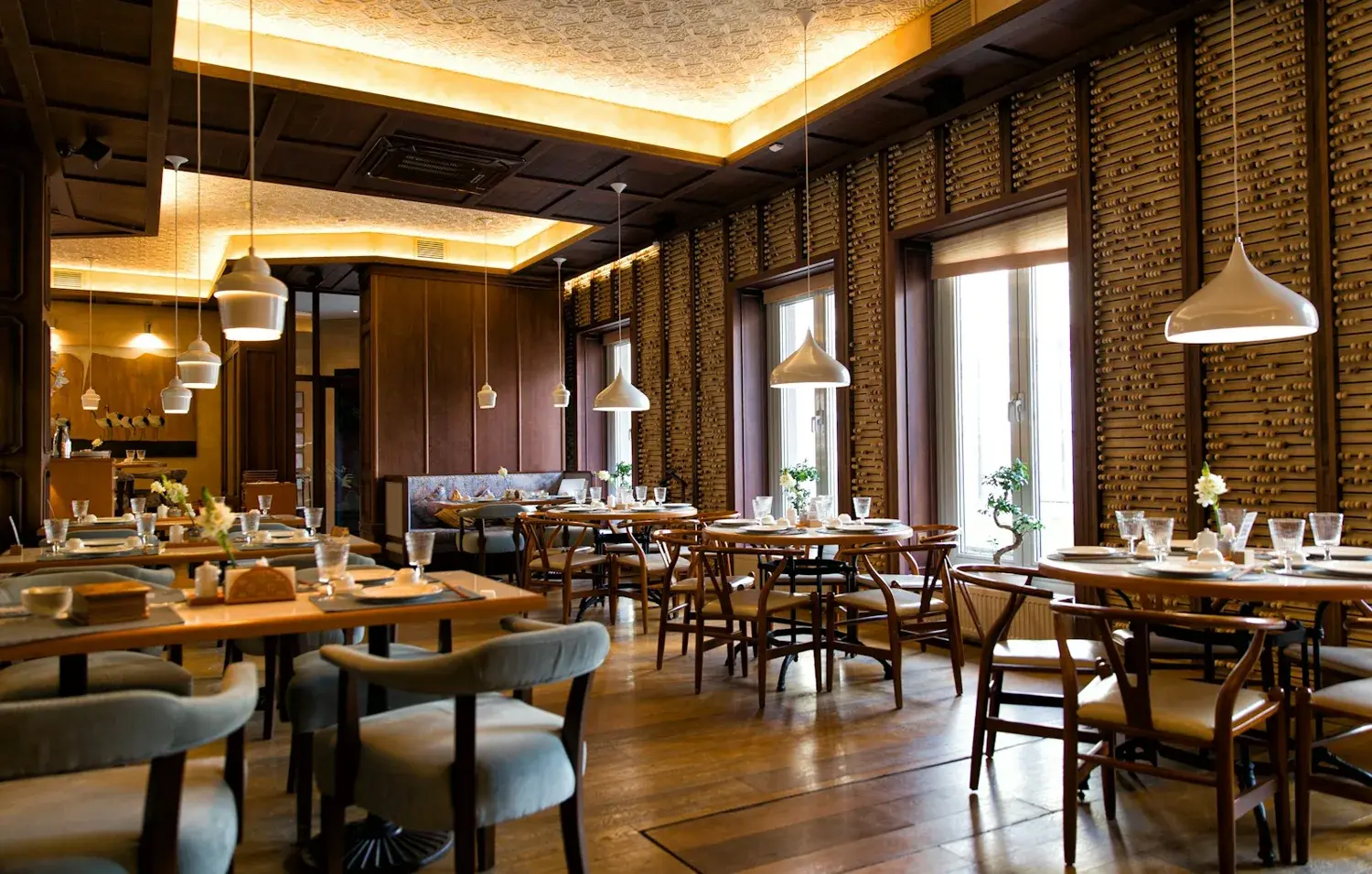
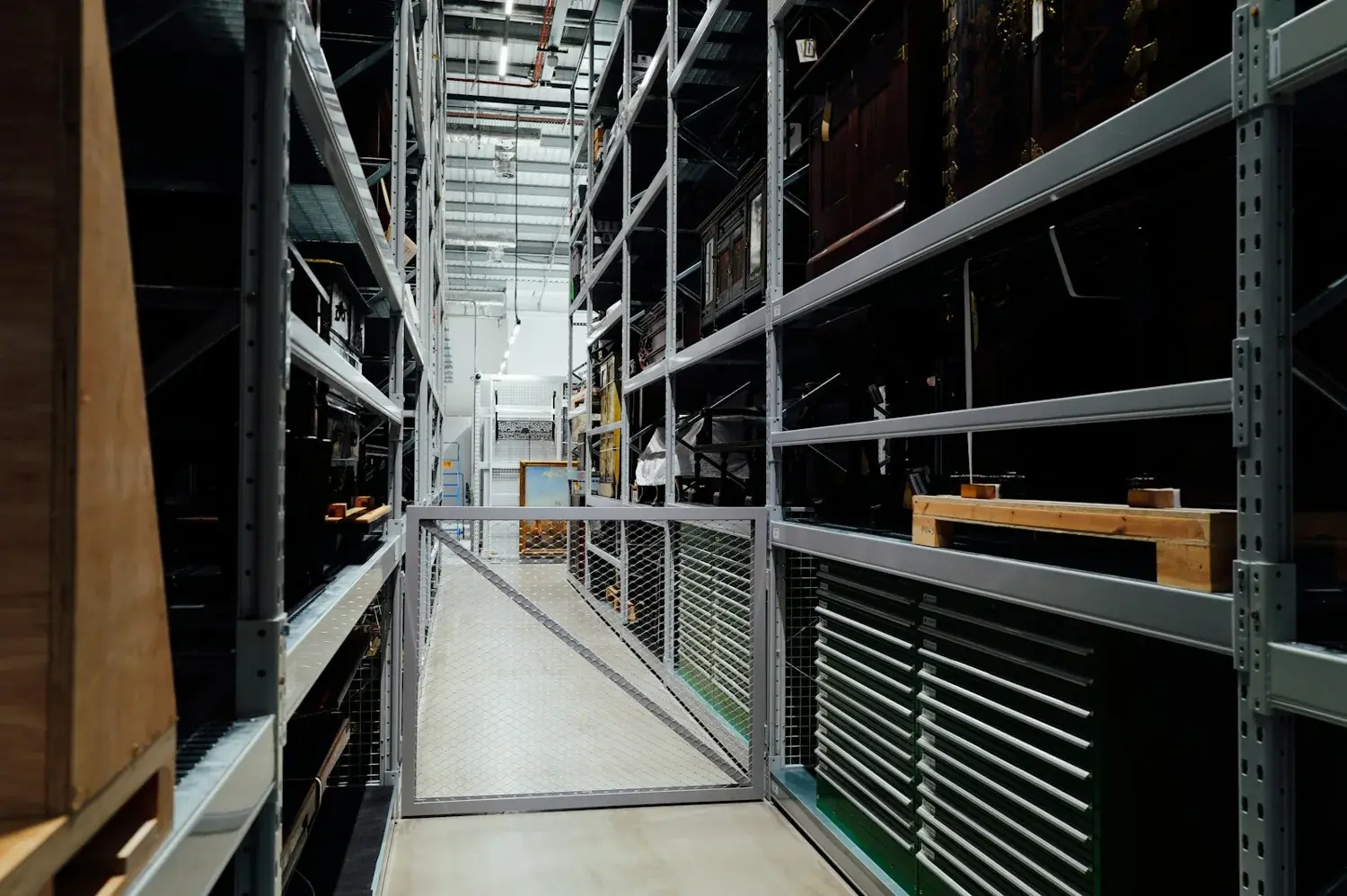
Tables and seating in a restaurant dining room.Storage racks and crates in a warehouse aisle.