Collision scene
Confirm that emergency responders or the responsible site authority have released the scene.
General preparedness guidance — not a live weather alert.
PROPERTY GUIDANCE // Keep valuables and business stock away from areas vulnerable to water. · Canada.ca
Scrolling automatically.
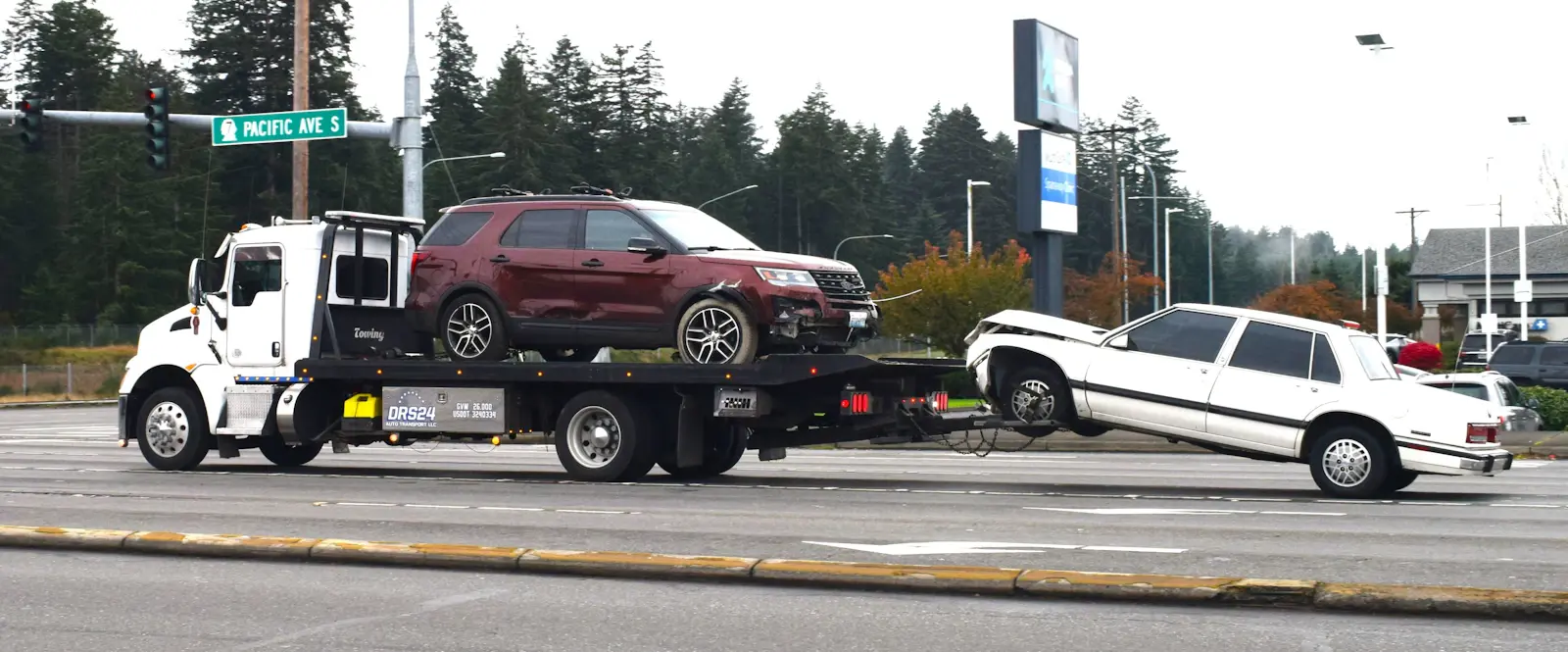
Arrange removal of a collision-damaged or nonrunning vehicle after the scene is released. Establish ownership authority, loading access and the approved repair, storage or disposal destination.
A real person can discuss the property, the service and your next step, 24/7/365.
No need to have every answer. Start with what you know.
Vehicle removal may require a different truck, access plan or destination from a standard roadside tow. Share whether the vehicle rolls, steers or has visible damage that affects loading.
Confirm that emergency responders or the responsible site authority have released the scene.
Identify the person authorizing access and removal, including any parking or building restrictions.
State the intended destination and any insurer or owner instructions that apply. Disposal requires its own confirmed authority and terms.
Agree pickup, destination, equipment, available timing and the applicable charges with the responsible provider. A removal enquiry does not itself authorize disposal, transfer ownership or determine insurance coverage.
Arrange a suitable tow for a disabled vehicle, with the pickup, vehicle dimensions and authorized destination agreed before dispatch. Identify low-clearance or restricted-access locations.
ExploreTemporary boarding for damaged windows, doors and storefront openings while permanent repairs are arranged.
ExploreNo. State whether the intended outcome is repair, storage or disposal. Ownership authority, destination and any disposal terms must be agreed separately.
Follow the directions of emergency responders. Removal can be discussed once the scene and access have been released by the responsible authority.
Identify the owner or authorized representative, the vehicle and its location. Tell the coordinator if a police release, insurer instruction, finance interest or site permission affects who may approve the move.
Include height and width restrictions, gate access, vehicle clearance and whether the wheels can roll. These conditions affect the equipment and the feasibility of the collection.
Agree the destination, receiving contact, opening hours and any storage arrangements before removal. Ask which recovery, transport, waiting and storage charges are included and who is responsible for payment.
Have the property address, affected area and access contact ready. This request carries the service you selected.