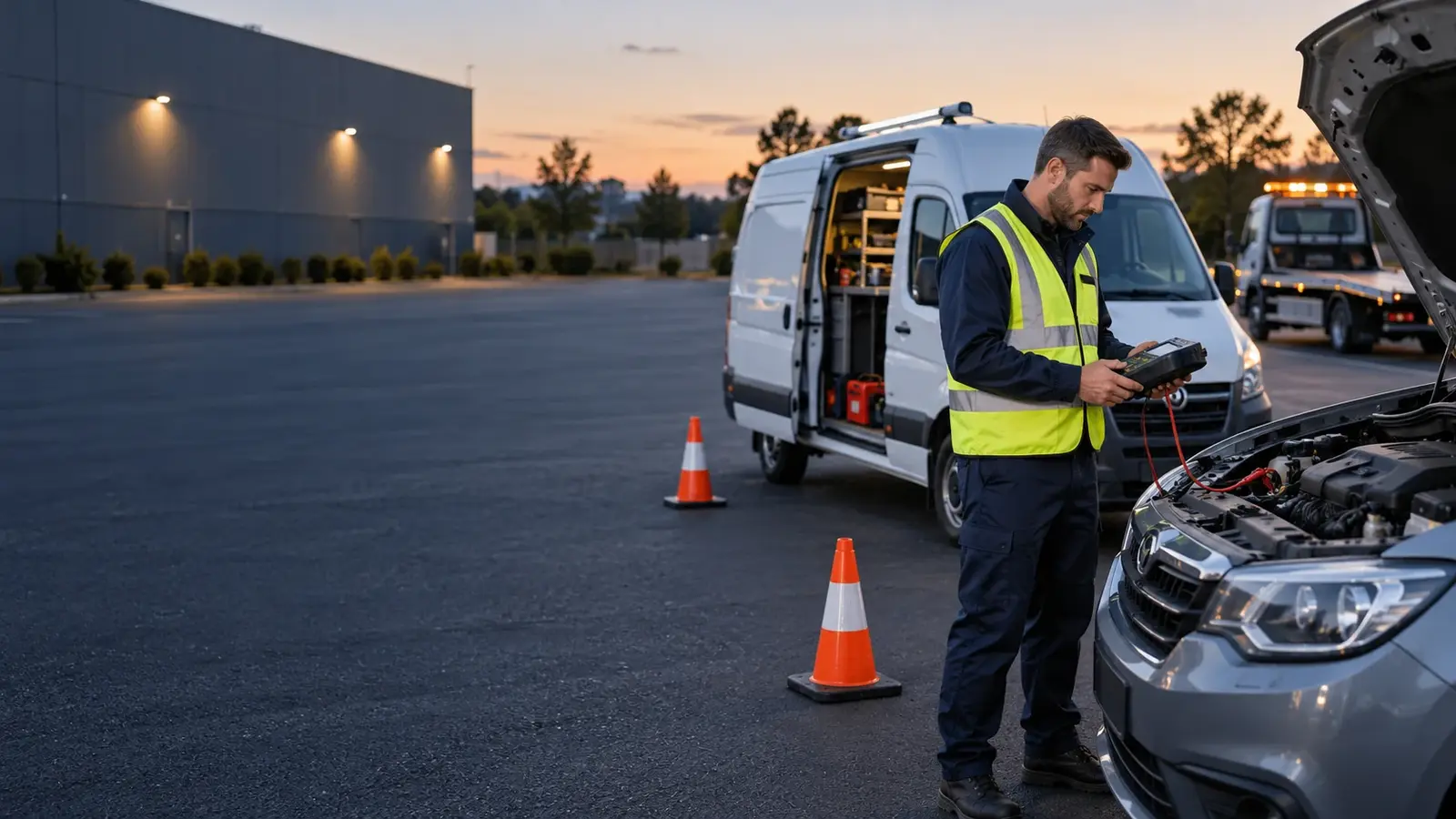
Snow or mud
Identify the vehicle and where it is sitting, including whether access is from a public road or private property.
General preparedness guidance — not a live weather alert.
PROPERTY GUIDANCE // Keep valuables and business stock away from areas vulnerable to water. · Canada.ca
Scrolling automatically.
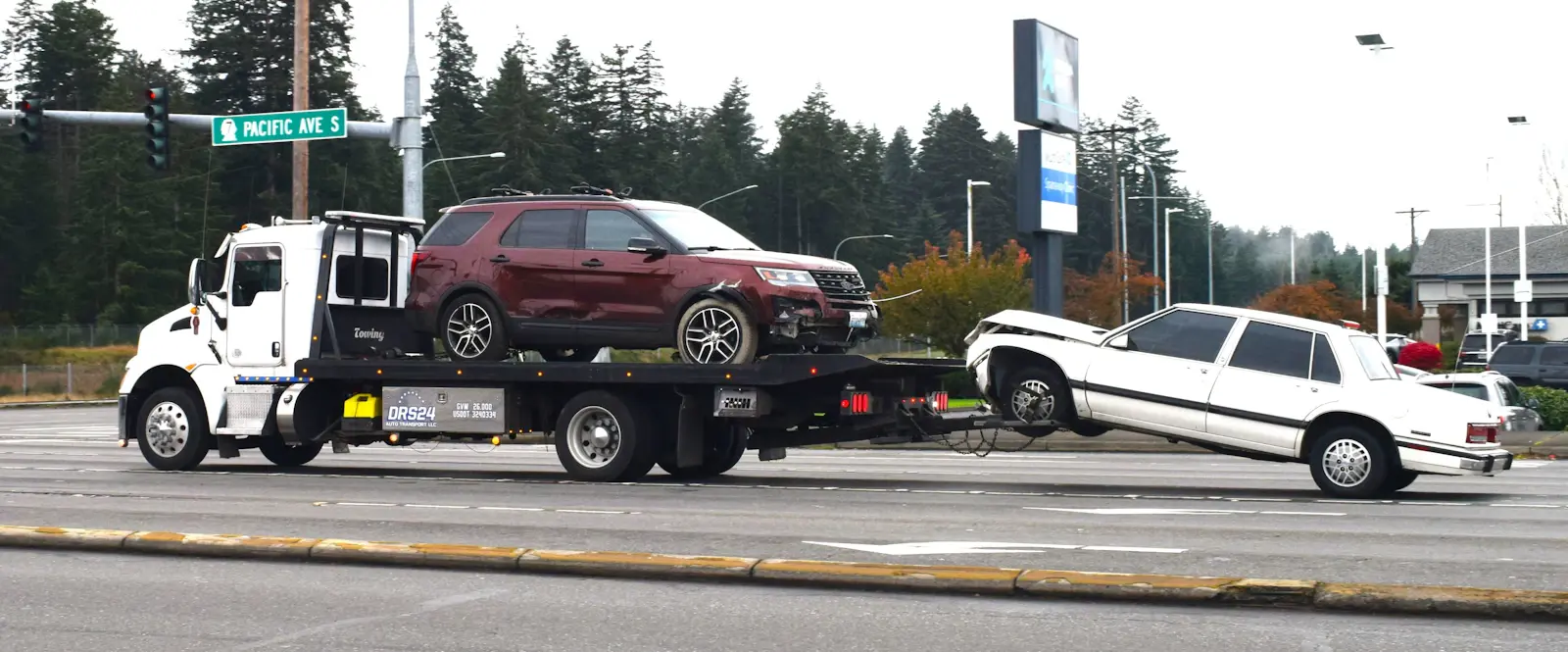
Arrange vehicle winching or recovery from snow, mud, a ditch or a soft shoulder. The vehicle weight, position, approach and onward destination determine the required recovery equipment.
A real person can discuss the property, the service and your next step, 24/7/365.
No need to have every answer. Start with what you know.
Snow, mud, a soft shoulder or a ditch can make a routine tow a different kind of recovery. The location, vehicle condition and available approach determine what is practical.
Identify the vehicle and where it is sitting, including whether access is from a public road or private property.
Describe the slope and visible obstacles from a safe position. The recovery provider assesses the method and equipment.
If the vehicle cannot be driven after recovery, identify the repair shop, yard or other authorized destination.
Share a clear location and a callback number. A short description is more useful than guessing the recovery technique.
The provider confirms suitability, access, equipment and the scope of the recovery before work is arranged. Availability and charges depend on the actual vehicle and site conditions.
For immediate danger or a collision involving injury, contact local emergency services first. Keep clear of traffic and recovery equipment.
Arrange a suitable tow for a disabled vehicle, with the pickup, vehicle dimensions and authorized destination agreed before dispatch. Identify low-clearance or restricted-access locations.
ExploreRequest help with a damaged tire and an available suitable spare, or discuss towing when a roadside change is impractical. The vehicle location and traffic exposure matter first.
ExploreRequest starting assistance for a vehicle with a suspected flat battery. Share the make, model, parking position and whether the location allows safe access.
ExploreVehicle position, weight and terrain determine the equipment required. Describe the situation so the provider can confirm the appropriate capability.
Include that need in the request and name the proposed destination. Recovery and onward transport should be included in the agreed scope.
Give the nearest road, junction, landmark or site entrance, plus a location pin if available. Say which side of the road the vehicle is on and where a recovery vehicle could safely approach.
Vehicle size and position, ground conditions, equipment, access and the need for an onward tow affect the scope. Ask for the available arrival estimate and the basis of the charges before authorizing work.
Describe whether it is slipping, unstable or exposed to traffic. Keep people clear of the vehicle and any recovery equipment, and follow the attending provider’s instructions. Contact emergency services first if anyone is in immediate danger.
Have the property address, affected area and access contact ready. This request carries the service you selected.